Why is massage therapy part of NDT’s care programme?
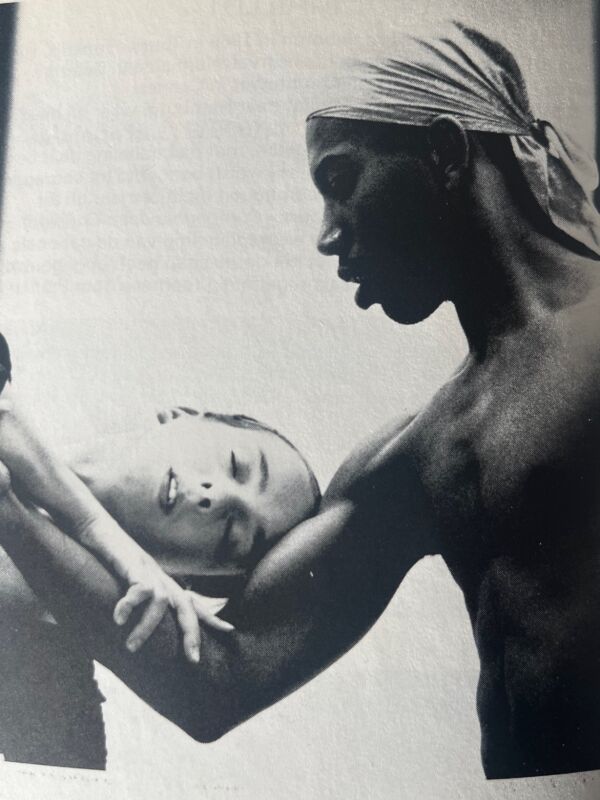
“If you look at drawings from Ancient Egypt, you can already see forms of therapeutic touch. Throughout history there have been many examples of this. Scientific research over the past decades has also proven that touch triggers a physiological response, stimulating the autonomic nervous system and the subconscious. Massage improves blood circulation in the muscles, which supports the body’s recovery processes and allows for more targeted muscle recovery. There are many different types of massages. For dancers, for example, it can be very beneficial to receive a more activating massage in the morning, helping them prepare for a full day of dancing. In the evening, the focus is often more on releasing tension in the muscles, overall relaxation, and supporting recovery for the next working day. But every dancer is different and, as a team, we adapt everything we do to their bodies and needs.”
Dancers getting injured is something we’re familiar with, but what would you advise non-dancers who want to (re)start training?
“Ideally, you want to go through life without injuries, but of course things can happen. You might simply trip and land awkwardly. It can happen to anyone, no matter how fit you are. If you’ve never exercised before, and let’s take running as an example, you wouldn’t start by running a marathon straight away. However, many people think running is easy: you don’t need a gym, you buy a pair of running shoes and head out the door. That’s it. In reality, that is often the perfect recipe for an injury.
Whatever type of sport you choose, and whatever your level, it is important to understand what your body can realistically handle. Your muscles, tendons, and cartilage. and joints all play a role. Take time to explore how your body responds when you introduce a new type of exercise. Build up gradually and listen carefully to the signals your body gives you, both during and after exercise. Also, avoid starting multiple types of training at once. Give your body time to adapt, and also time to recover.”
And if you do get injured?
“People respond to pain in different ways. Some know their bodies well and recognise when they need to take it easy for a few days or weeks, after which they often recover well. But if you are in doubt, or are experiencing significant pain, it is always recommended to consult a physiotherapist. If pain persists for more than three weeks, it is important to seek professional advice.”