Video loading…

A conversation about SAABA by Sharon Eyal

Hear from NDT 2 dancers

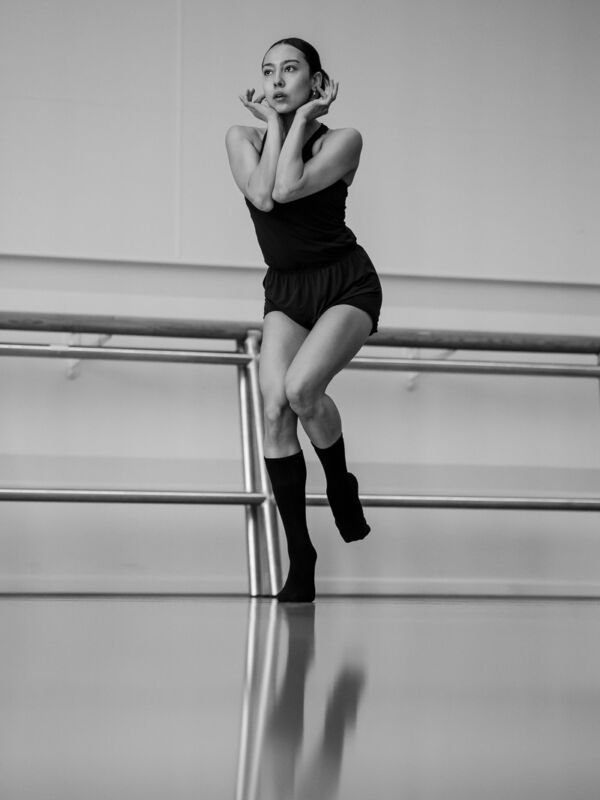
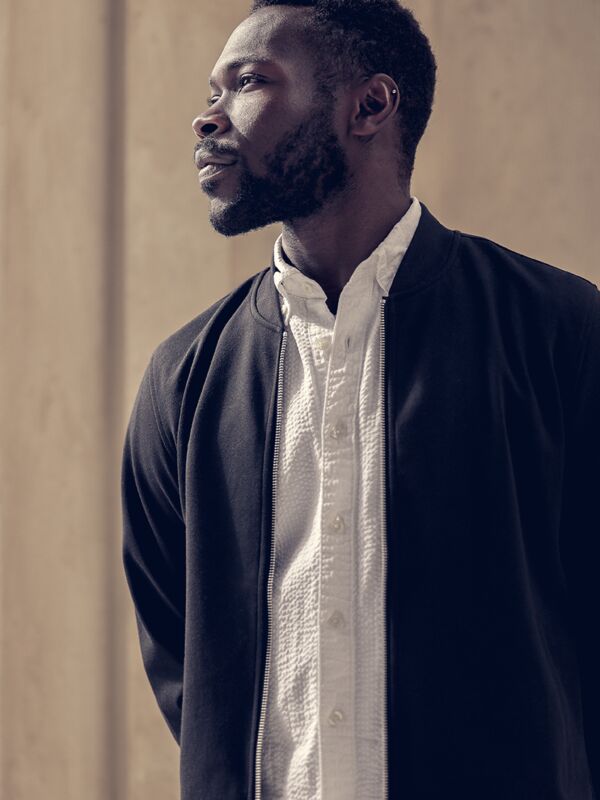
As NDT 2 is getting ready for the premiere of their programme I dreamt, it was, we had a quick chat with dancers Joan Jansana Escobedo, Nathanaël Plantier, and Maša Anić in between rehearsals. They shared what it’s like to perform the vulnerable and hypnotising work SAABA by Sharon Eyal, and what makes Eyal’s movement language so special.

What is SAABA about and what are you focusing on in Sharon Eyal’s movement language?

Nathanaël:
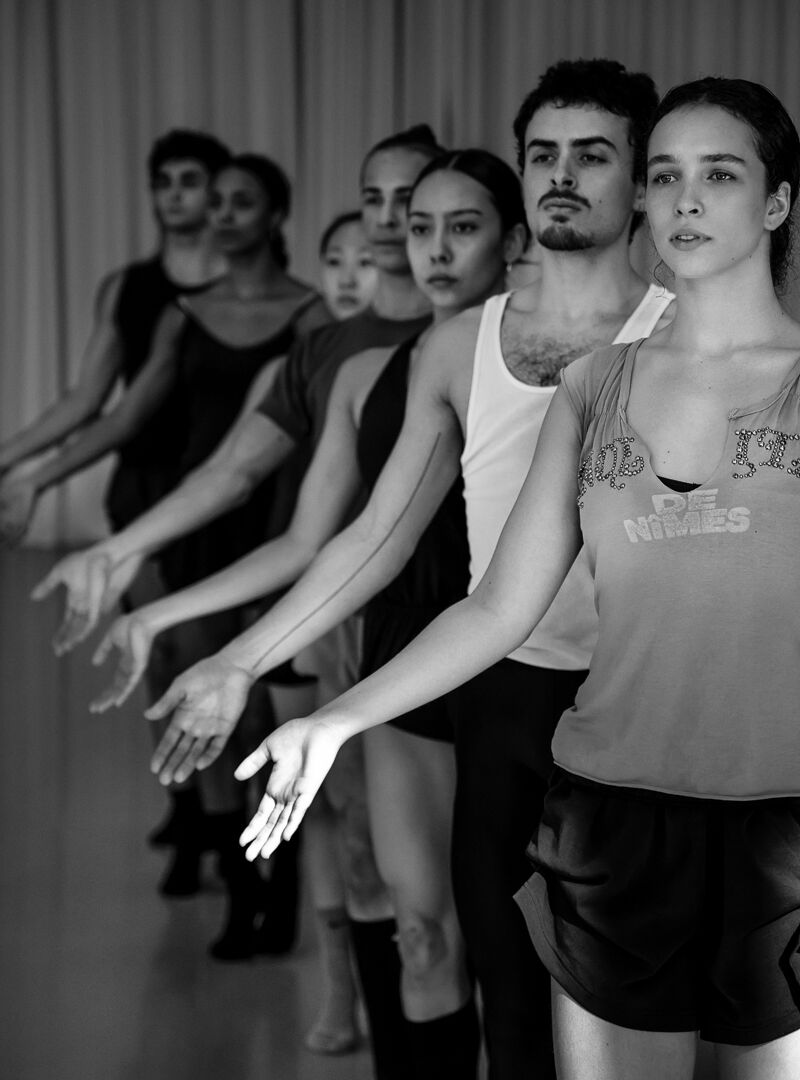
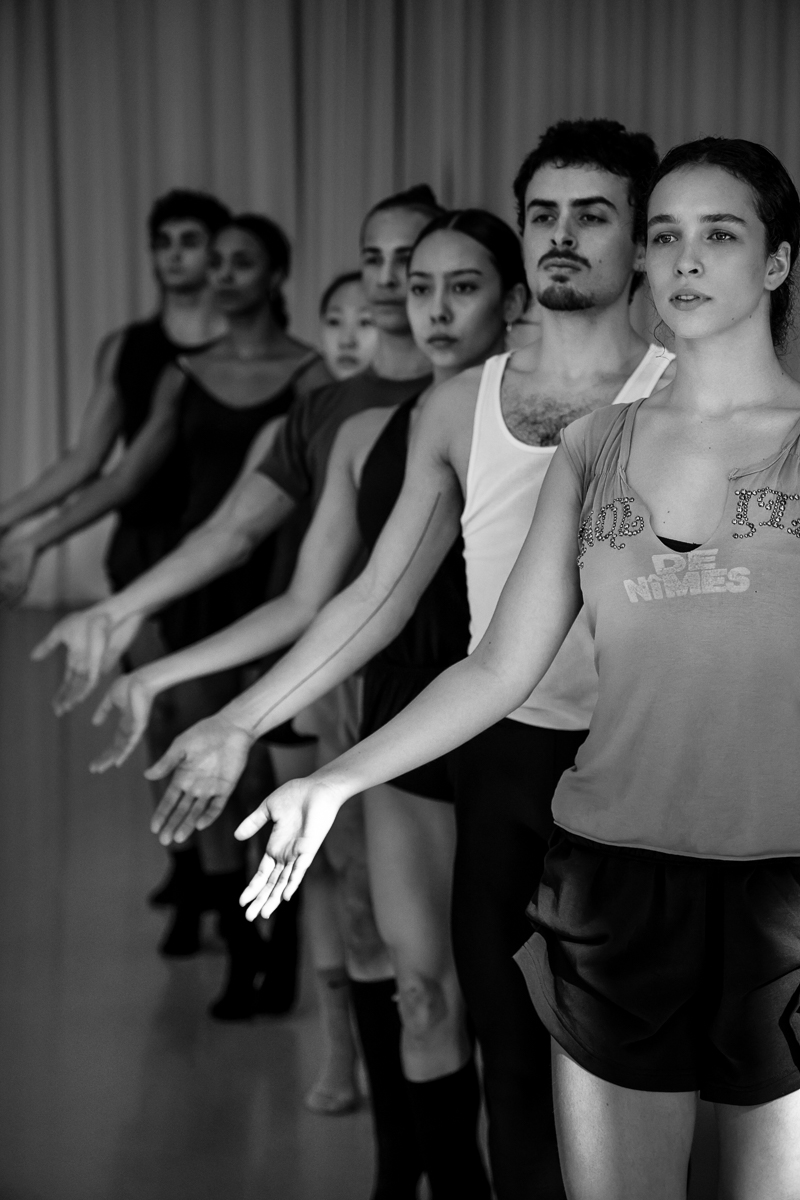
“For me, the work is a lot about vulnerability. From the demi-pointe position we’re in most of the time, so on the balls of our feet, you start every movement from a position of fragility. And Sharon speaks a lot about the essence of the movements. It has to be true, and it has to be genuine. That is why she’s so fascinated by this demi-pointe, because this is the starting point for movement to be authentic. It’s very hard, technically, and it automatically strips down a lot of the layers that we might have when we’re not on demi-pointe. There’s a huge sense of collective also, where we all rely on each other, and there’s an exchange of energy all the time.”

Maša:
“There is a big difference between doing her work, and doing her work with her in the studio, because then you can truly see the essence of the language. The language she’s renowned for comes from her imagination, her stories, and her emotions, but at the same time she is not someone that would tell you what exactly she’s looking for. She wants you to find a personal connection. I had a moment in the studio where I worked with her and she came over and touched me, and said, “I want you to feel like you’re holding someone the whole time, but at the same time they’re slipping away. But then find what that means to you, because it lasts for a long time.” So, she’s very much into the dancers being themselves and being vulnerable and fragile. It’s a very fragile state to be in, when you’re doing her work.”

Nathanaël:
“There’s a lot of strength in her language; it’s not just weak. Through the fragility, you find this strength, where you just have to strip down as a dancer; what you think the movement is, what you think she wants, what you think the work needs.”

Maša:
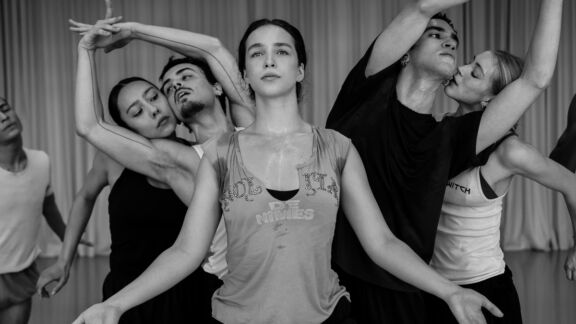
“It’s all about what comes out of the body, the mind, and the soul. And there are some positions we need to be in and certain structures we’re exploring, but it’s truly about what comes out from every individual and then that transforms into the group’s feeling. That’s why her work is very powerful, because every single person needs to feel everything all at once.”
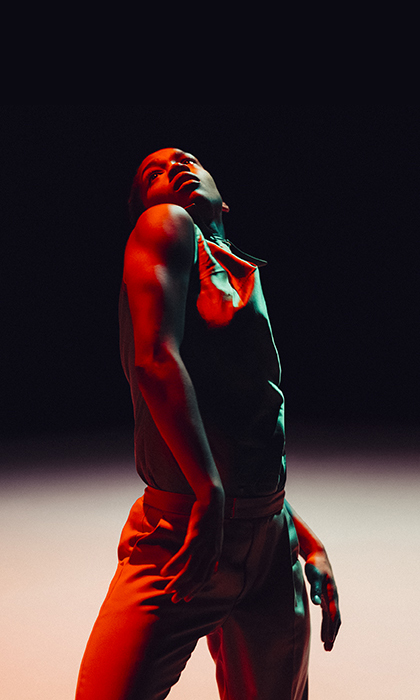
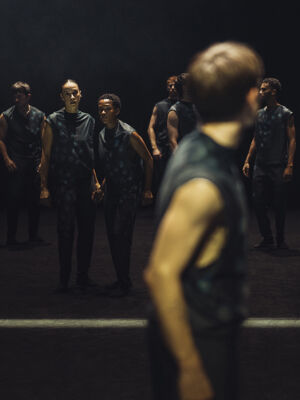
Photo: Sacha Grootjans

Is there something else that stands out from her work and this process for SAABA, aside from the sense of fragility and strength?

Joan:
“This work is quite technical, so usually when we rehearse technical works, we use the mirrors in the studio for support. But with Sharon’s work, the mirrors would make everything too superficial, so we close the curtains or face another direction. Her language comes from the inside and that’s why through the absence of mirrors she’s reminding us how we (should) feel as we’re doing the work and how we can integrate her vision in our bodies. It makes everything more intense and physical and strengthens this juxtaposition of being super precise and technical, while still being yourself and connecting to your own inner world as well. It’s a beautiful feeling, actually. Especially when we move together and sense our strong connection as dancers.”

Maša:
“Every movement is so extremely detailed and distinct. I think it’s super interesting how, for example, the direction of the chin in a certain phrase can change the whole feeling in the body. In this example, we could explore if the chin should be strong and expressive, or if it’s more of an internal process. Sharon’s rehearsal director Léo Lérus, who has been with us for the past few weeks, is helping us translate the answers to these questions into the body. Some instructions may seem purely physical, but they’re always connected to something deeper. And that exploration changes the entire structure of a movement.”

Since you’re standing on demi-pointe for the majority of SAABA, how are your feet and calves doing right now?

Nathanaël:
“It’s getting better. But the discomfort and pain are also part of the process, at least, I like to see it like that.”

Maša:
“For me, the physical challenges of her language are also exciting, because we all know we’re working towards a common goal. So, yes, we’re in need of a lot of tape during rehearsals and it’s not easy, but there’s also growth in that. It makes us persistent and almost stubborn in a way, because we all believe we’re going to make it. And knowing that so many incredible NDT dancers have performed her works before us, motivates me even more.”

Joan:
“No one likes pain, obviously, but it’s satisfying to work at this intense level. Can’t wait to perform SAABA on stage with everyone.”

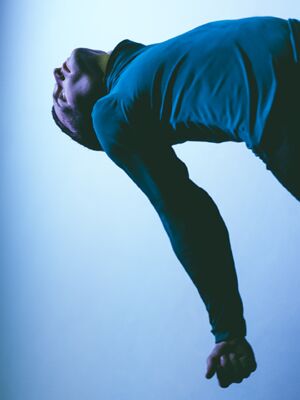
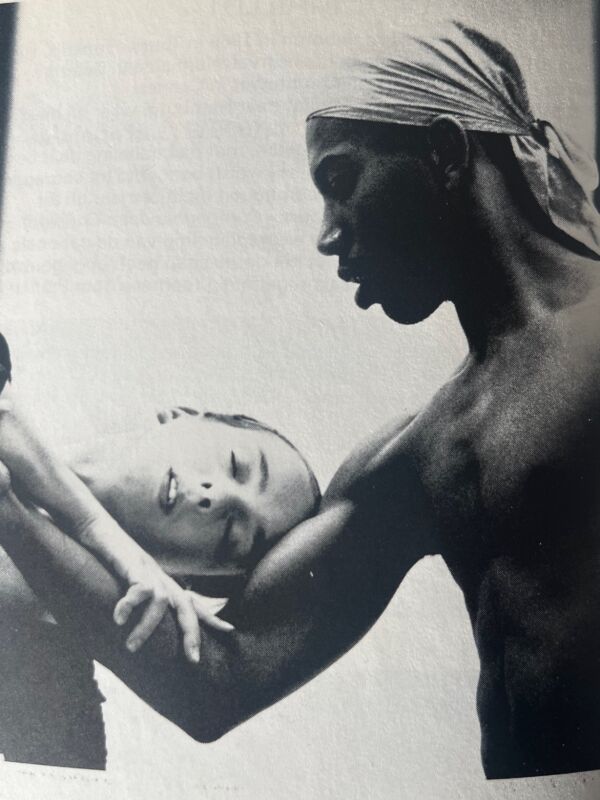
Dancer: Sophia Frilot. Photo: Sacha Grootjans

I dreamt, it was

The NDT 2 programme I dreamt, it was can be seen from 26 March until 2 June.