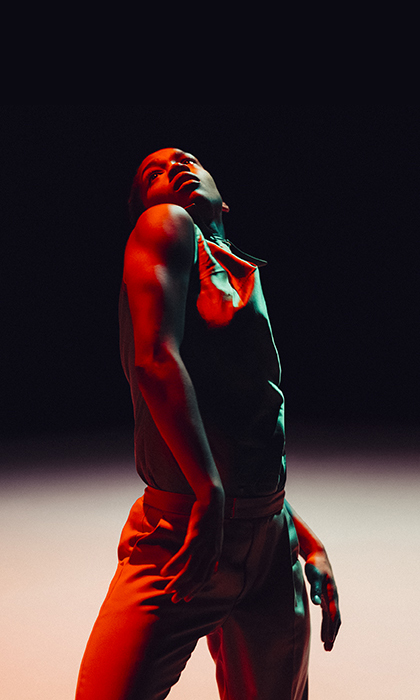
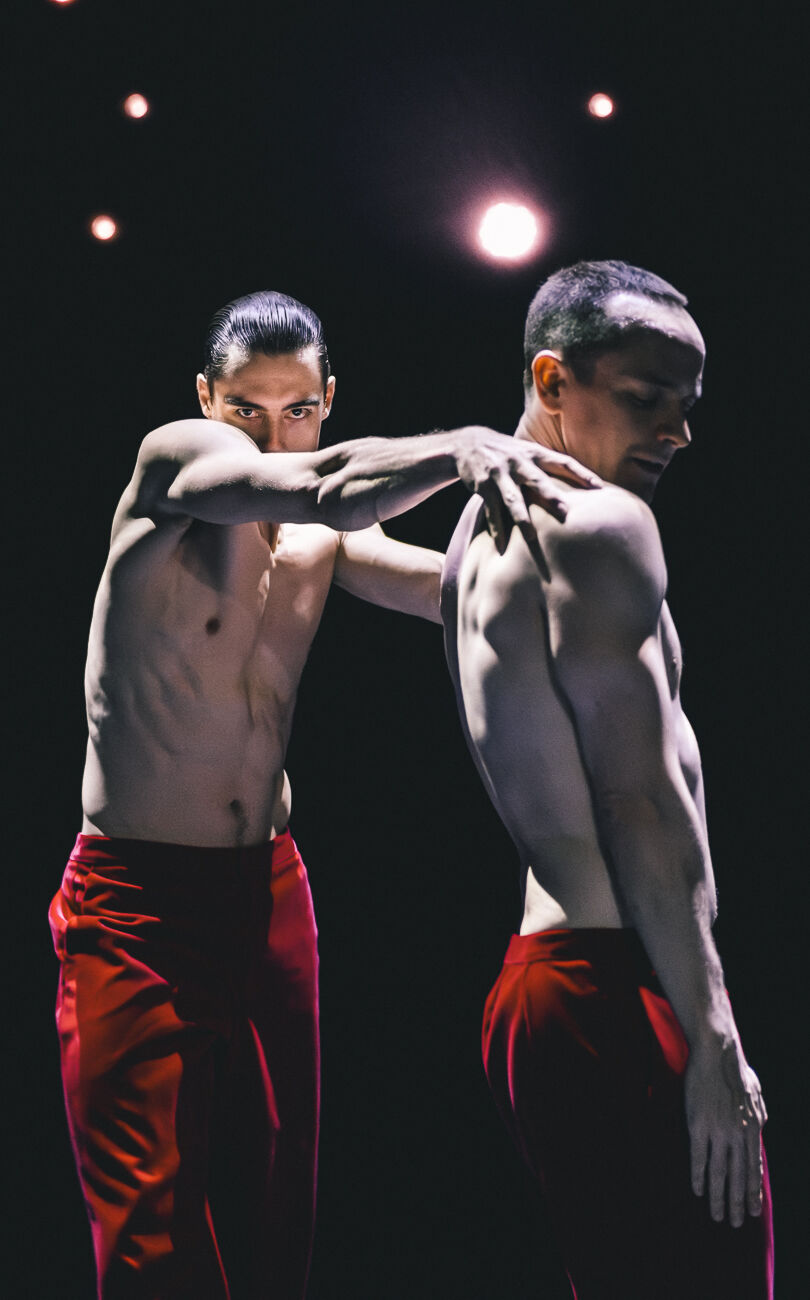
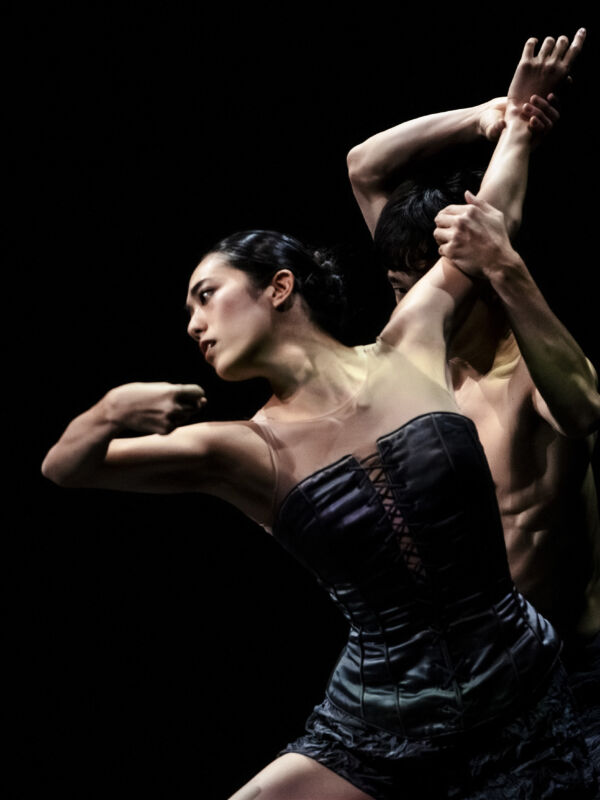
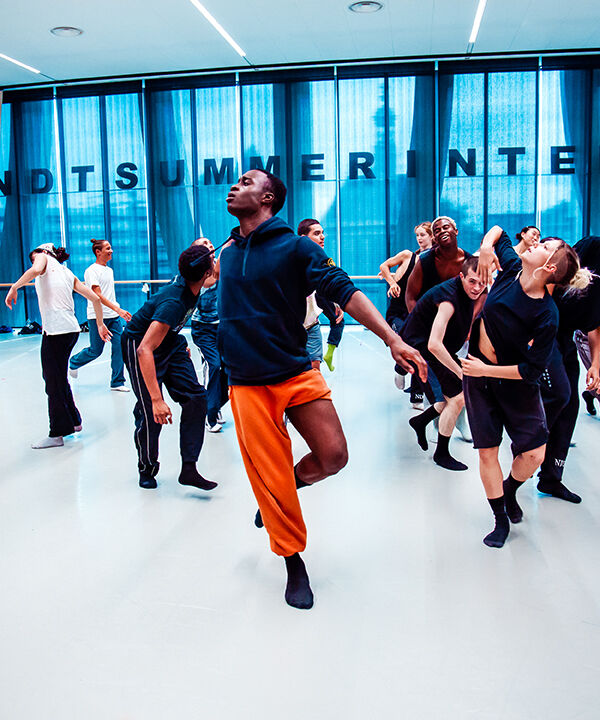
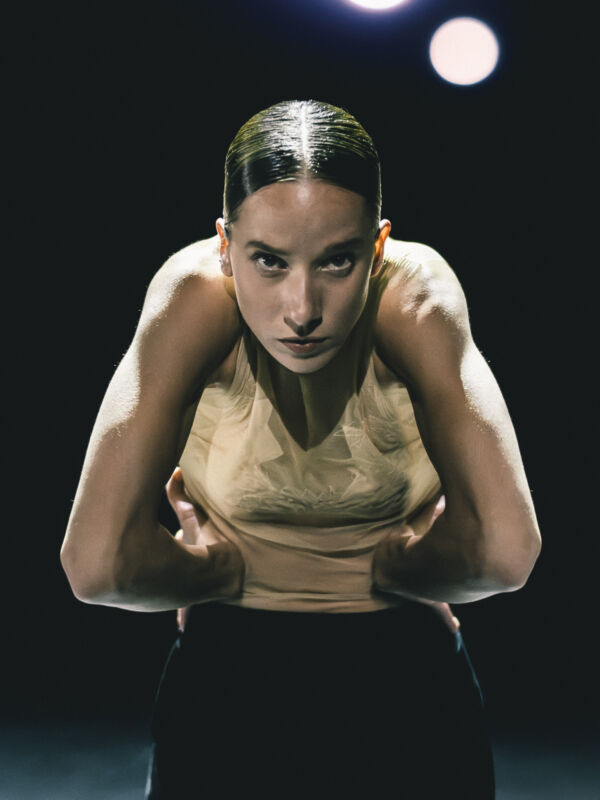
Modern dance emerged at the start of the twentieth century as a reaction to classical ballet. For many pioneers, ballet felt like a fixed form with set steps, stories and roles. They wanted to create dance that felt more personal and more human, where movement was directly linked to what someone wanted to express.
They therefore developed their own techniques, such as those of Martha Graham and later Merce Cunningham, with a physical logic that differed from ballet. The torso became the centre of emotion and initiative. Movement often started from the ground rather than reaching upwards towards a perfect pose. Dancing barefoot, working with gravity, showing breath and resistance: the body was no longer a fairy-tale figure but a real person.
Modern dance also broadened the idea of what dance could be. Not only elevated or stylised, but also everyday. Walking, falling, standing still, repeating. From that moment on, any human movement could become material for dance.